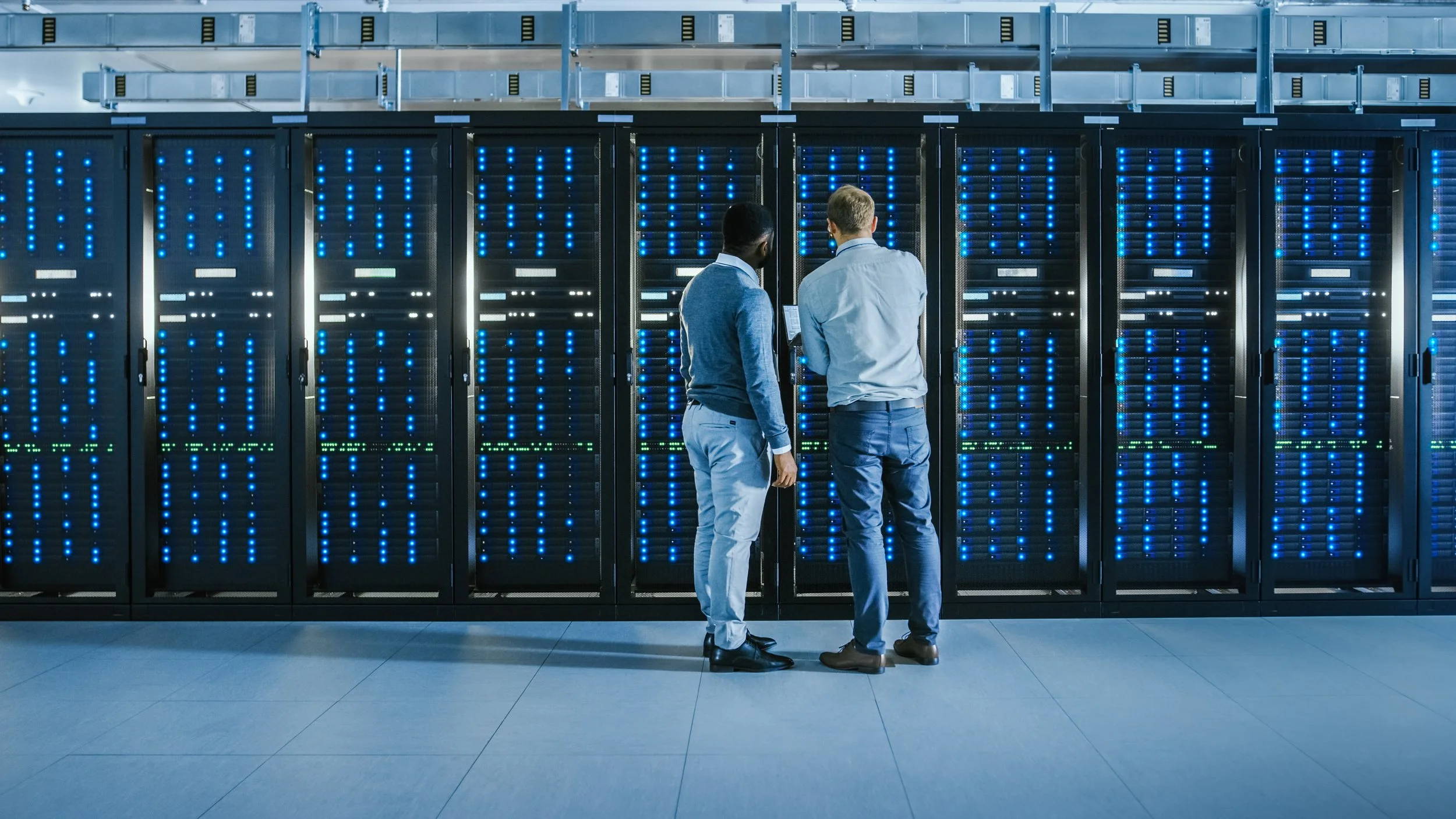
A structured approach to reduce risk during testing and commissioning.
Commissioning compresses planning, equipment, coordination, and execution into a narrow window. Small misalignments that go unnoticed early tend to surface under load.
OUR PROCESS
Our process reflects how we operate internally to reduce variability during that window. It is not an onboarding funnel. It is a discipline shaped by field experience and refined across complex testing environments.

I.R.O.N
-
Early Technical Alignment
Initial discussions focus on understanding testing intent, schedule sensitivity, site constraints, and long term operational considerations.
The objective is clarity. Not equipment selection.
Topics often include:
Estimated load profile and growth expectations
Cooling architecture and CDU sizing
Duration of testing and sustainment requirements
Onsite power availability
White space or integrated systems testing needs
Early alignment allows risk to be surfaced while options are still flexible.
-
Specification and Risk Review
Detailed review follows alignment.
Load behavior, equipment performance characteristics, OEM constraints, lead times, logistics sequencing, and contingency paths are examined together.
This is typically where differences between models and manufacturers become relevant. Response behavior, cooling methods, monitoring capabilities, and integration limitations can influence outcomes in sustained or complex testing environments.
The purpose of review is to reduce downstream correction.
-
Equipment and Timeline Lock In
Equipment is secured only after specifications, logistics, and schedule sequencing are aligned.
For rental engagements, this means confirming availability that truly fits testing intent.
For procurement engagements, it means validating that the selected equipment supports both near term commissioning and long term operational plans.
Lock in is deliberate. Not reactive.
-
Active Support Through Execution
Commissioning conditions shift. Delivery windows move. Scope adjusts. Unexpected variables surface.
We remain engaged through delivery, staging, setup, sustained testing, and schedule changes.
Clear communication paths and defined response roles tend to matter more than urgency when pressure increases. Active involvement allows issues to be identified early and addressed without escalation.
Rental and Procurement Within the Process
The I.R.O.N. structure applies to both rental and procurement paths.
For rental, the emphasis is on selecting and staging the correct testing and temporary power equipment under compressed timelines.
For procurement, the emphasis is on ensuring the equipment selected aligns with immediate commissioning needs and long term operating strategy.
In both cases, recommendations are OEM neutral and grounded in suitability, not inventory bias.

When This Process Is Most Valuable
This structure is most useful when:
Testing parameters are complex or atypical
Sustained load is required rather than short duration testing
Schedule compression limits margin for correction
Equipment decisions influence long term infrastructure plans
Coordination across multiple stakeholders is required
Initial discussions are technical in nature. Many remain exploratory. That is often appropriate.